



Fabric air ducts for cheese ripening room
Design, Manufacturing, and Supply of Textile Air Ducts for Cheese Ripening Chambers
— Uniform air distribution throughout the conditioned space
— Precise maintenance of optimal humidity levels
— Integrated antibacterial/antimicrobial coating
— High resistance to saline vapors and brine aerosols
— Easy cleaning and low-maintenance design
— Rapid installation and dismantling
— 20–30% reduction in energy consumption
Get advice
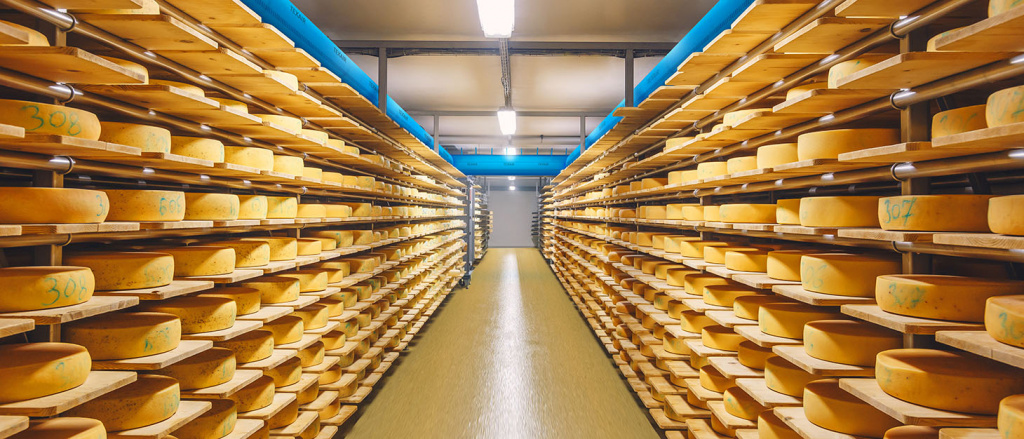


Why fabric air ducts are selected for cheese ripening chambers
In this category of food production, ensuring adequate air exchange in the headspace above stored cheese products is critical. Ventilation within the cheese ripening chamber must deliver uniform airflow across the entire storage area to prevent microclimate variations.
In zones where air velocity is insufficient, cheese surfaces may retain excess moisture, significantly increasing the risk of mold development. Under these conditions, perforated textile ducting offers distinct advantages for organizing and controlling the air distribution process.

Uniform humidity without condensation
Textile air ducts distribute supply air via gentle, laminar flows, eliminating droplet formation on cheese surfaces. This is critical for preserving rind integrity and preventing over-humidification within the target range of 85–95% RH.
Targeted ventilation of shelving units
Perforations can be adjusted to the shelf layout so that each row of cheese receives the same amount of air without “dead zones” and the airflow speed is uniform throughout the cheese chamber.
Protection against saline corrosion
Materials are selected individually for the air composition in your chamber, ensuring durability even in conditions of high humidity and salt concentration.
Easy installation and removal of air ducts
If the old textile air duct is significantly contaminated, it can be quickly removed and replaced with a new one on your own, as special holders are used for installation.
Low cost of air ducts
Due to the aggressive environment, the service life of any air ducts is reduced significantly. Textile air ducts are much cheaper than metal ones, both at the design stage and during maintenance.
Mandatory certification
Our company has a certificate of suitability for the use of TEXAIR air ducts in food enterprises and an expert opinion based on the results of a sanitary and epidemiological examination.
The process of manufacturing textile air ducts
Want to save money?
We will help you determine the optimal air distribution scheme for your facility
Get a quote
Types of fabric air ducts
Specifications
- Fire resistance of materials
- Temperature from -50°C to 380°C
- Chemical and corrosion resistance
- Antibacterial fabric
- Perforation diameter from 0.4 to 50 mm
- Any shape and colour
- Diameter from 50 to 3600 mm
- Segment length up to 200 metres
- Reinforced frame possible
- For supply and exhaust ventilation

Transparent air duct

Membrane air duct

Textile nozzles for air coolers

Round exhaust air ducts

Segment-shaped supply air ducts

Quarter-circle supply air ducts

Semicircular supply air ducts

Rectangular exhaust air ducts

Round supply air ducts
Advantages of fabric air ducts

Chemical and corrosion resistance

Lightweight, significantly lighter than metal

Temperature range from -50°C to +380°C

Antibacterial properties, hygienic

Indifferent to magnetic and electric fields

Compatible with metal air ducts

Personalized design, color, and shape

Long service life: 10 years or more
Completed projects involving textile ventilation in cheese ripening rooms
TEXAIR textile air ducts are actively used by various cheese manufacturers
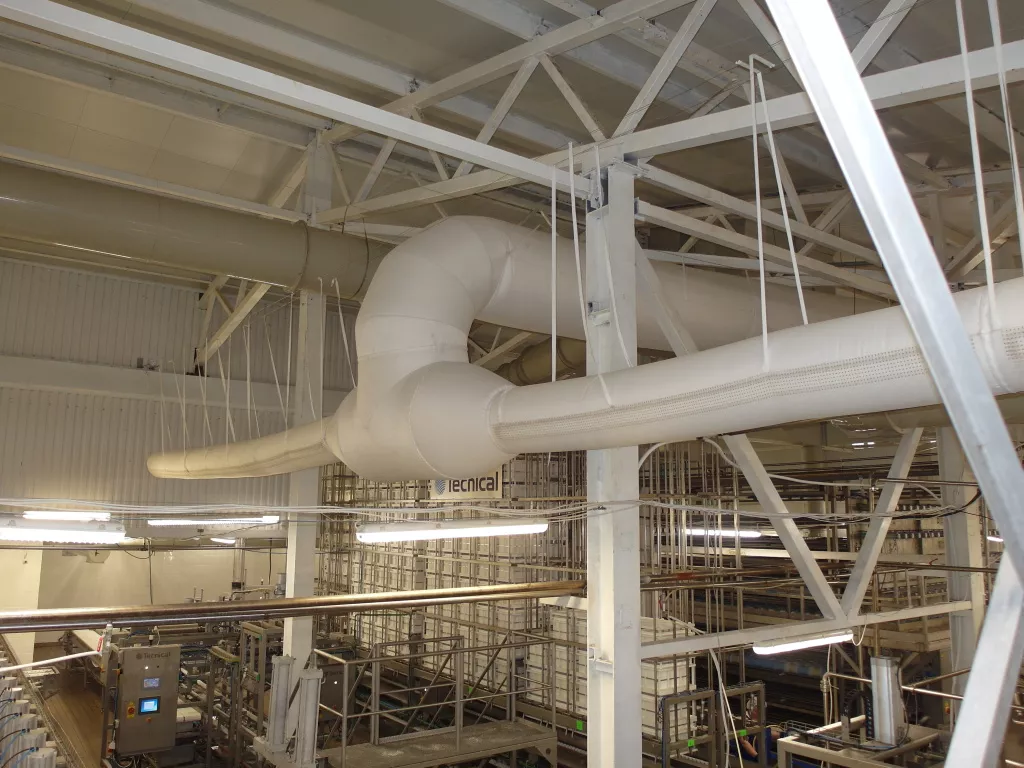
Cheese factory
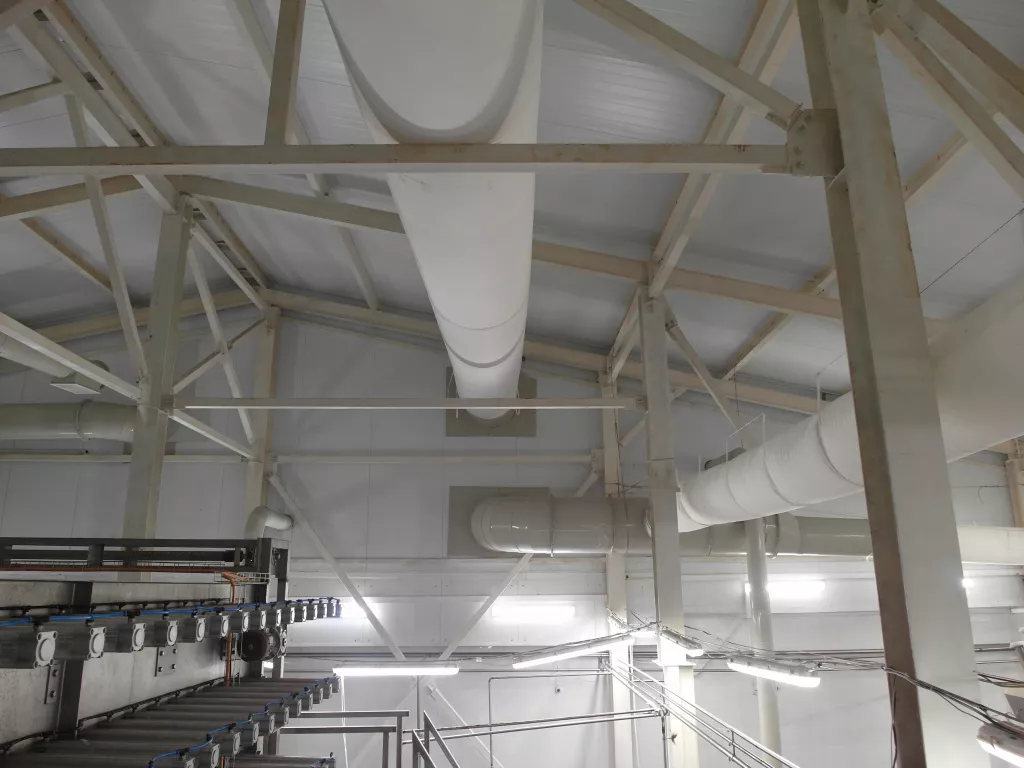
Cheese factory
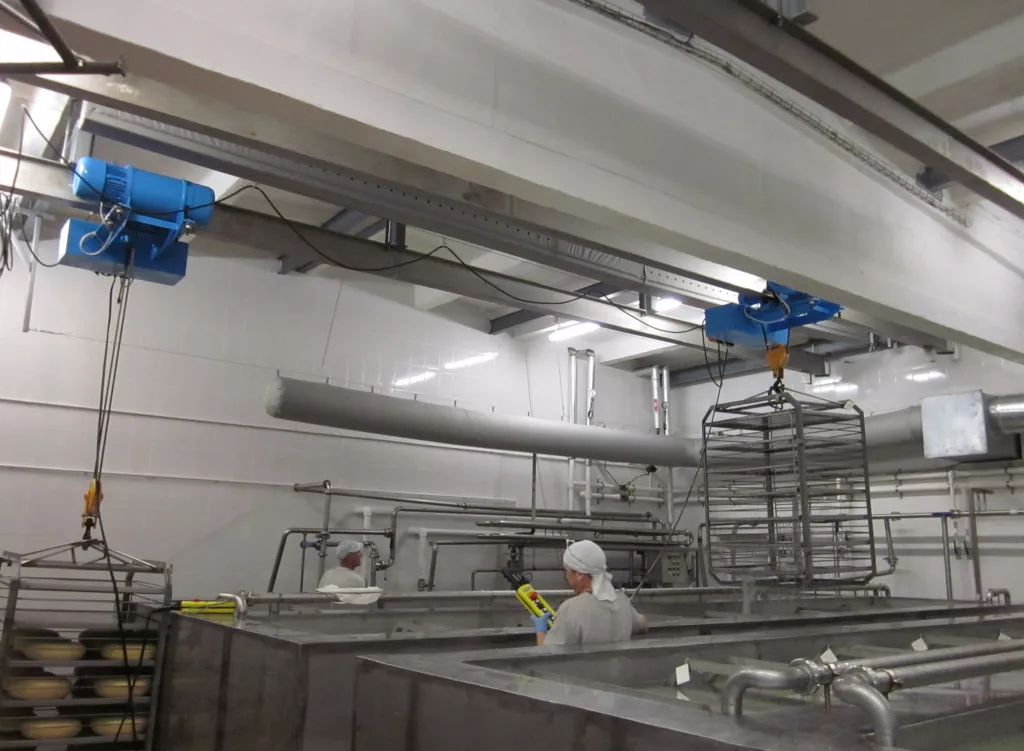
Cheese factory
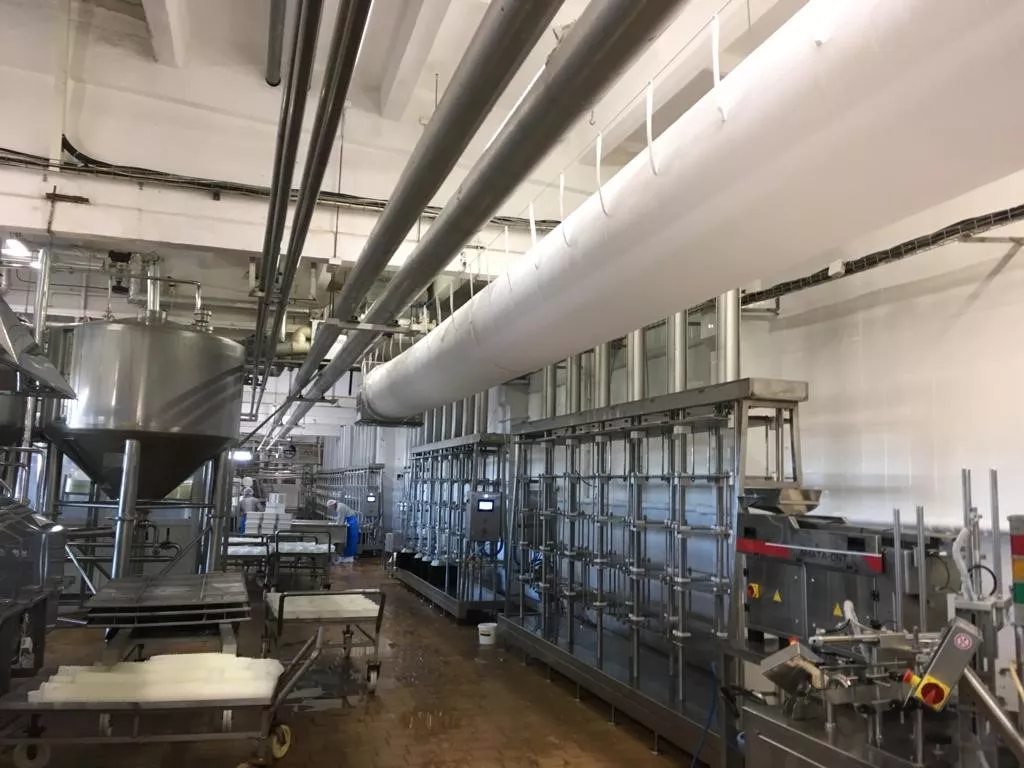
Cheese factory
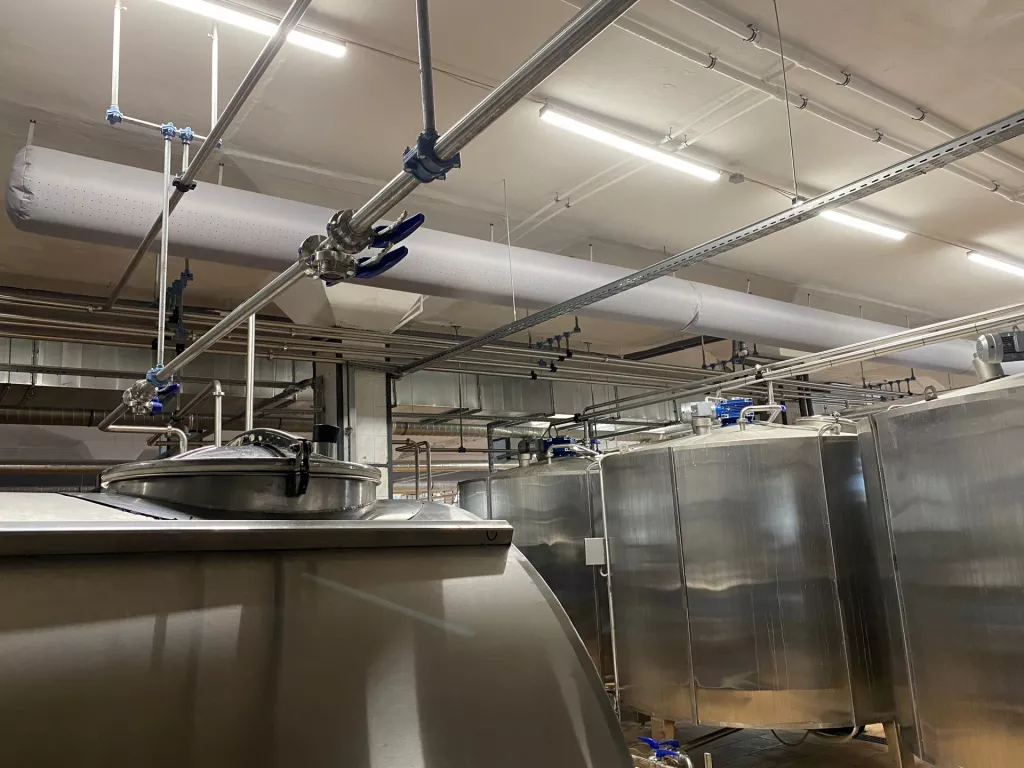
Dairy plant